

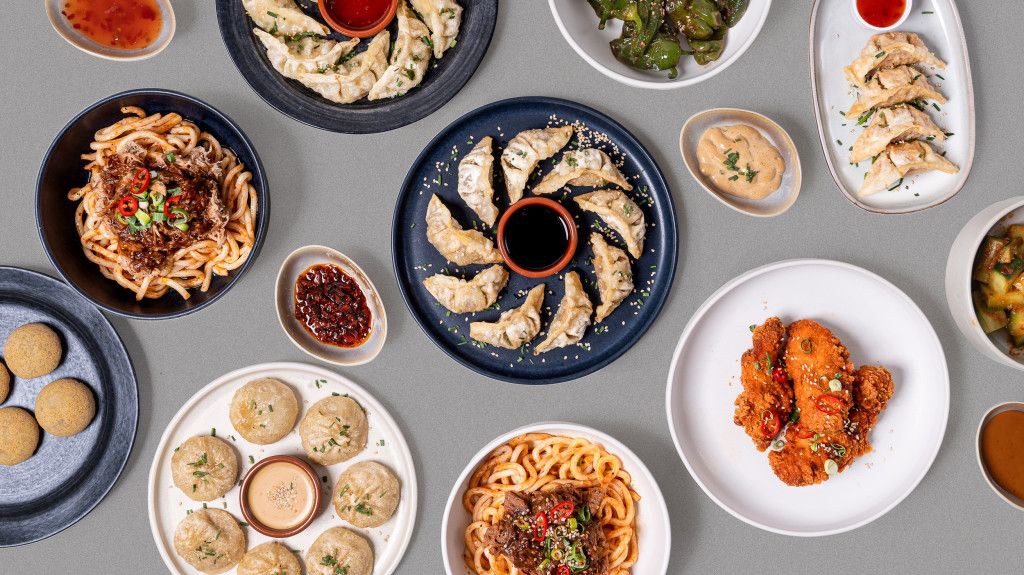
Tasty Urban is a Berlin ghost kitchen platform that runs virtual, delivery-only food brands through a network of partner restaurants. Gemma Analytics automated its twice-monthly restaurant settlements with a central data platform, from raw order data to payment-ready credit notes in EasyBill.
The starting point
Tasty Urban's brands are live on delivery apps such as Wolt, Lieferando and Uber Eats. Independent partner restaurants do the cooking and earn extra delivery revenue in return. Twice a month, Tasty Urban settles with each of these restaurants: it calculates the order revenue per platform, deducts the cost of centrally procured ingredients and adds bonuses for marketing, performance and reviews. The result is one credit note per restaurant, with attachments.
Before the project, this was manual work in Excel. The numbers came from several sources: order revenue from the delivery platforms, raw material costs from another system, bonuses scattered across different places. Settlement day was slow and error-prone, and the effort grew with every new partner restaurant.
What we built
Gemma Analytics built a central data warehouse that loads order and cost data from all relevant sources and brings it together per restaurant and settlement period. On this basis the settlement formula runs automatically: order revenue, minus raw material costs, plus bonuses. A credit-note app then drafts the credit note and its attachments for every partner restaurant.
Finance keeps the last word. Every credit note is reviewed before anything is finalized, and the finished credit notes and attachments are handed over to EasyBill, ready to pay. A lot of care went into reconciling the data. VAT, for example, depends on how an order is delivered and not only on the product, so the model calculates it per order instead of relying on a supplied gross amount.
The result
Settlement now runs on autopilot. The manual data gathering is gone, which saves Tasty Urban 4.5 person-days every month. Twice a month, every partner restaurant is settled in one continuous run, with finance-grade accuracy thanks to a human review. And because all order and cost data now sits in one place, revenue and profitability can be analysed in far more detail than before.
Tools and setup
Order data from the delivery platforms and the point-of-sale system is loaded into Snowflake and modelled with dbt. The Tasty Urban team maintains restaurant master data, product and VAT mappings and manual adjustments in Google Sheets, and cost files arrive through a Google Cloud Storage bucket. Metabase is used to check the numbers, and a reverse ETL step pushes the credit notes into EasyBill via its API. The project started in early 2025, and Gemma still looks after the data platform today.